
 Optical Boutique
  Dry Eye Treatment
 Locate Us
How to Protect Your Eyes from Digital Eye Strain
How to Protect Your Eyes from Digital Eye Strain
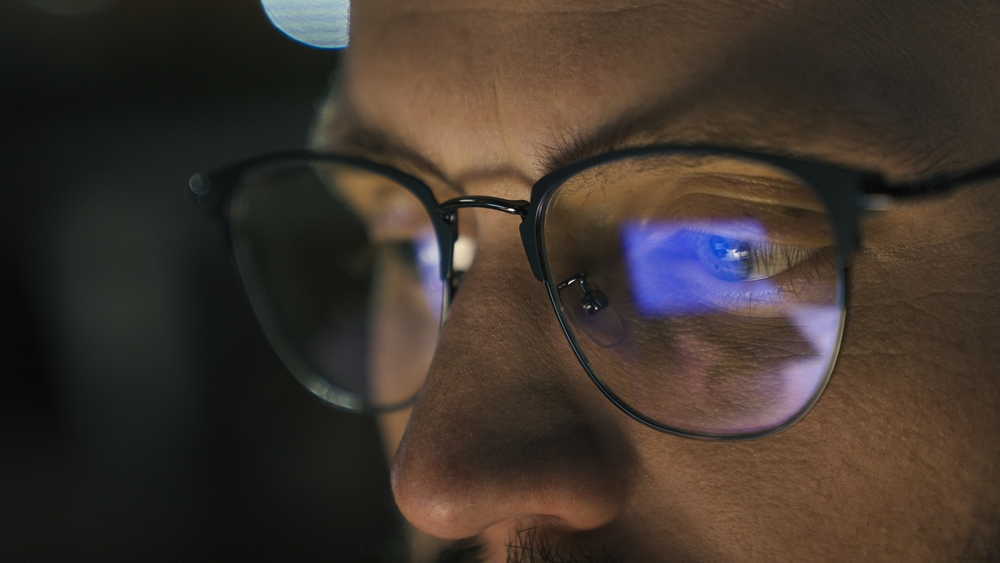
Phones, computers, tablets, and other screens are part of everyday life, but long hours of close-up focusing can make the eyes work harder than usual. Digital eye strain often happens when the eyes stay locked on one distance for too long, especially when blinking slows down during screen use.
At Texas State Optical Marble Falls, we see how daily screen habits can affect comfort, focus, and overall eye health. The goal is not always to avoid screens completely, but to use them in a way that better supports your vision.
Common Signs of Digital Eye Strain
Digital eye strain can feel different from person to person. Some patients notice tired eyes after work or school, while others experience blurry vision, headaches, or dryness that gets worse later in the day.
You may also notice burning, watering, light sensitivity, or trouble refocusing from near to far. If these symptoms happen often, a comprehensive eye exam can help determine whether your screen habits, prescription, dry eye, or another vision issue may be contributing.
Adjust Your Screen Setup
A few small changes to your workstation can make a noticeable difference. Your screen should sit slightly below eye level and about an arm’s length away. If the screen is too close, too high, or too bright, your eyes may need to work harder to maintain clear and comfortable focus.
Lighting also matters. Glare from windows or overhead lights can increase strain, so try adjusting your screen angle or using softer lighting when possible. Increasing text size can also reduce squinting and help your eyes relax.
Take Breaks That Give Your Eyes Relief
One of the simplest ways to protect your eyes from digital eye strain is to take regular visual breaks. The 20-20-20 rule is a helpful habit: every 20 minutes, look at something about 20 feet away for 20 seconds.
Other helpful screen habits include:
- Blinking often to support a healthier tear film
- Keeping screens clean to reduce glare and blur
- Using artificial tears if recommended by your eye doctor
- Taking longer breaks during extended computer work
- Avoiding screen brightness that is much brighter or darker than the room
Do Not Ignore Dryness Or Blurry Vision
Screen use can make dry eye symptoms more noticeable because people tend to blink less when concentrating. When blinking slows, the tear film can evaporate more quickly, leading to burning, grittiness, redness, or fluctuating vision.
Blurry vision during screen use may also be related to an outdated prescription or focusing issue. Even a small change in your vision can make computer work feel more tiring. During an eye exam, we can evaluate your prescription, eye teaming, focusing ability, and signs of dry eye.
How Our Eye Exams Can Help
At Texas State Optical Marble Falls, we take a big-picture approach to your eye health and visual comfort. We offer comprehensive eye exams and use advanced diagnostic technology, including retinal imaging, OCT, Optos, and visual field testing when appropriate.
If digital eye strain is affecting your work, school, or daily routine, we can help identify the cause and recommend options that fit your needs. This may include an updated glasses prescription, computer lenses, dry eye treatment, contact lens guidance, or personalized changes to your screen habits.
To schedule an eye exam for digital eye strain, contact Texas State Optical Marble Falls in Marble Falls, TX by calling 830-693-2020.
Quick Links
Helpful Articles
article_category: products
article_category: psychiatry
article_category: faqs
article_category: cats
article_category: general
article_category: services
article_category: technology
article_category: dogs
article_category: restorative
article_category: vision therapy
article_category: contact lenses
article_category: health
article_category: conditions
article_category: eye surgery co-management
article_category: exotic
article_category: cosmetic
article_category: surgical procedures
article_category: aesthetics
article_category: preventative
article_category: ocular disease management
article_category: eyeglasses
article_category: eye health
article_category: large animal
[]
article_category: psychiatry
article_category: faqs
article_category: cats
article_category: general
article_category: services
article_category: technology
article_category: dogs
article_category: restorative
article_category: vision therapy
article_category: contact lenses
article_category: health
article_category: conditions
article_category: eye surgery co-management
article_category: exotic
article_category: cosmetic
article_category: surgical procedures
article_category: aesthetics
article_category: preventative
article_category: ocular disease management
article_category: eyeglasses
article_category: eye health
article_category: large animal
[]
Flowbite is an open-source library of interactive components built on top of Tailwind CSS including buttons, dropdowns, modals, navbars, and more.
Check out this guide to learn how to get started and start developing websites even faster with components on top of Tailwind CSS.

All Eyecare Services
We offer a wide variety of eye care services to the Marble Falls community. Contact us with any questions about our services.

Contact Information
Office Hours
- Monday 8:15 AM - 5:00 PM
- Tuesday 8:15 AM - 5:00 PM
- Wednesday 8:15 AM - 5:00 PM
- Thursday 8:15 AM - 5:00 PM
- Friday 8:15 AM - 5:00 PM
- Saturday Closed
- Sunday Closed
- Monday 9:00am - 6:00pm
- Tuesday 9:00am - 6:00pm
- Wednesday 9:00am - 6:00pm
- Thursday 9:00am - 6:00pm
- Friday 9:00am - 6:00pm
- Saturday 10:00am - 2:00pm
- Sunday Closed
- Monday 8:00am - 5:00pm
- Tuesday
- Wednesday
- Thursday
- Friday
- Saturday
- Sunday
© 2026 Texas State Optical Marble Falls. All rights Reserved - Accessibility Statement - Privacy Policy - Terms and Conditions - Sitemap
Managed and Designed by 